A contemplative approach
that holds up in real life:
Evidence-based training for anxiety, rumination, emotional reactivity, and burnout.
For individuals and clinical teams.


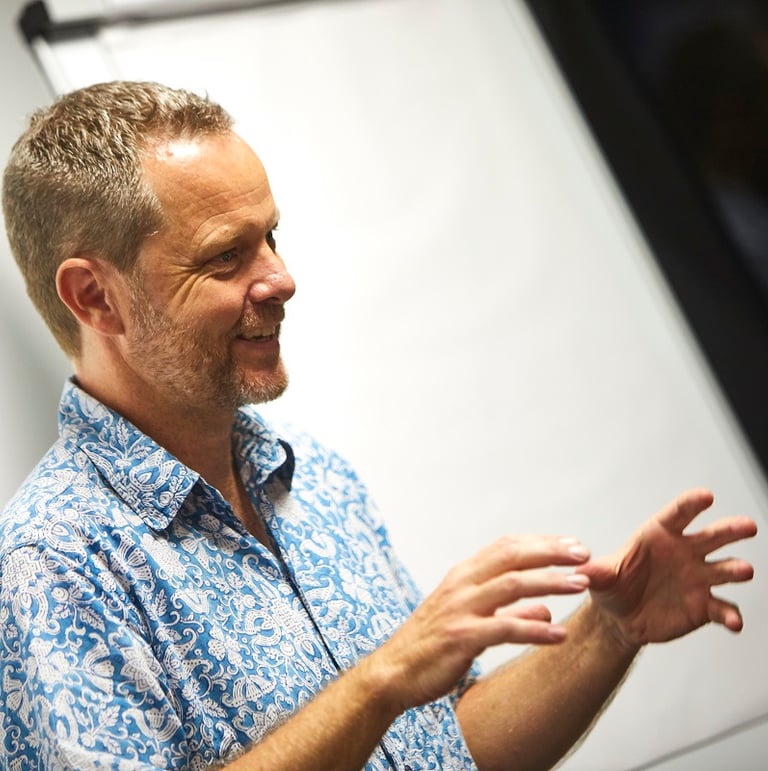
Dr Corey Jackson
Learned in the Himalayas, tested in the lab.
For Organisations and Clinical Teams
Conventional approaches to staff wellbeing treat burnout like a knowledge gap — give people the right information and they'll be fine. In our experience, the picture is more complicated: sometimes the information itself needs updating, and even when it doesn't, knowledge rarely holds under pressure.
For Individuals
You've probably tried apps, meditation courses, maybe therapy. If anxiety, rumination, or chronic stress are still getting in the way, these programs go further — structured, evidence-based, and built on the specific mechanisms that keep people stuck.
About Dr Corey Jackson
Comfortable in research labs and mountain monasteries, Corey’s work bridges contemplative practice and modern psychology.
His PhD research explored the specific mechanisms by which mindfulness reduces anxiety and depression — particularly the patterns of rumination and emotional reactivity that keep people stuck.
Grounded in years studying Tibetan Buddhist philosophy in India and working as a Tibetan-English translator, Corey now teaches practical emotional skills for therapists, healthcare workers, educators, and thoughtful people who want more than coping strategies or mindfulness clichés.
Before any of this, he was a jazz musician in Toronto, Canada.
Balanced Minds
Ongoing practice community
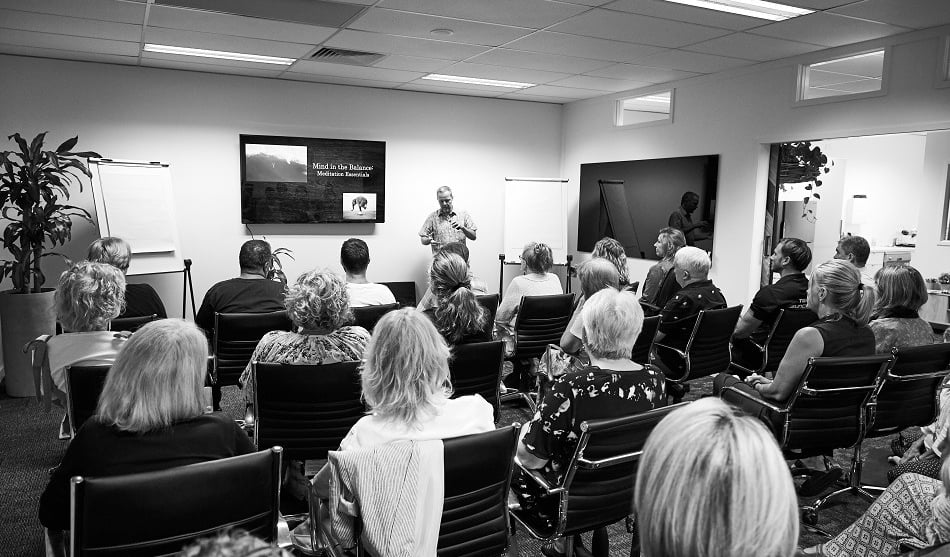
Live sessions every week for meditation and discussion, a growing library of guided meditations, and a community space for people doing the ongoing work. Plus an archive of more than 70 sessions.
For those who want ongoing teaching and the support of a practice community.
$37 / month - first month free
Cancel anytime
Ground State:
Skills to stay steady under pressure
8-week structured online course
The structured mindfulness course Corey developed and used in his PhD research on anxiety and depression. Drawing on Cultivating Emotional Balance and substantially adapted through the research process.
Lecture + guided meditation per session. Practical tools for rumination, reactivity, and chronic stress."
$297 self-paced · $847 with 1:1 coaching
30-day money-back guarantee
Programs For Individuals
Evidence-based, structured, designed to work alongside of professional care
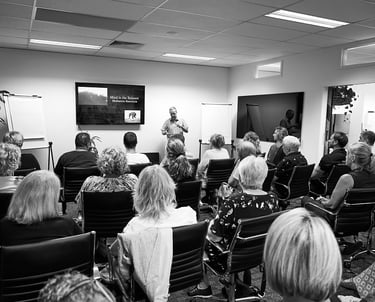
The Reflective Edge
Metacognitive awareness for mental health practitioners
For psychologists, counsellors, and clinical teams managing complex or high-acuity presentations. Focused on real-time reflective capacity — the ability to observe your own reactions as they are unfolding.
Compassion Without Collapse
Empathic distress & sustainable clinical practice
For nursing and midwifery teams, allied health professionals, palliative care staff, social workers, and emergency department teams. Available as a half-day, full-day, or 4-session series.
Most organisations respond to staff burnout with training programs, apps, or one-day workshops. The assumption is that practitioners need to know more; a knowledge gap. But burnout is not only a knowledge gap.
Practitioners often know the theory. What fails under pressure is the capacity to apply it.
That's a training gap, and it requires a different kind of response.
These workshops are designed accordingly. They are not resilience coaching or self-care sessions. They address the specific mechanisms — empathic distress, emotional reactivity, metacognitive rigidity — and build the trainable capacities that sustain clinical practice over time. The flexible 4-session format is structured as an experiment: run it, observe what shifts, build on what works.
Workshops for Organisations & Clinical Teams
For teams whose work requires sustained empathic engagement
Nursing and midwifery teams | Mental health clinicians | Allied health professionals | Palliative care and hospice staff | Social workers | Paramedics | Emergency department teams | Clinical training cohorts
Best Suited For:
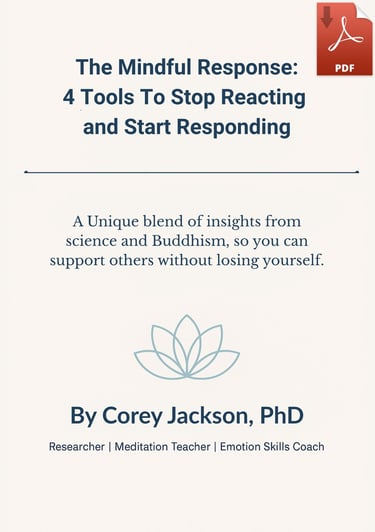
Stop Reacting. Start Responding
A free guide: 4 insights from science and Buddhist psychology that
change how you work with stress and emotions.
What people say
"I am quicker to notice it, less likely to be swept up in it, and more able to respond with choice rather than habit. While I probably appear calm most of the time, I now more regularly feel calm."
— Alana, Psychologist
"There is so much more freedom accessible to me. I am much more peaceful and I don't take little things too seriously anymore. My relationship with my children has improved immensely."
— Imke, Accountant
"I'm calmer in the face of a very uncertain future. Less anxious, feeling more prepared for whatever comes."
— Margaret, Retired Social Worker
"After many years treating symptoms I now have the tools to work relieve the cause."
— Google review
Get in touch


Frequently asked questions
Is this suitable if I'm currently in therapy or on medication?
Yes. This work should complement to clinical care, not replace it. Many people practise alongside therapy, CBT, or medication. Corey's research focused specifically on the mechanisms by which mindfulness training supports reduced anxiety and depression — it is appropriate for people managing these conditions alongside professional care.
Do I need prior meditation experience?
No. Ground State starts from the beginning and is designed for people who may have tried apps and books but are sceptical about whether meditation works for them. No prior experience required.
What's the difference between Ground State and Balanced Minds?
Ground State is a structured 6–8 week course with a clear arc. Each session builds on the last, with a defined beginning and end. Balanced Minds is ongoing: fortnightly live sessions, a meditation library, and a community you return to as part of regular practice. U&E includes 8 weeks in Balanced Minds, so many people start with the course and stay on in the community.
I've tried mindfulness before and it didn't stick. Why would this be different?
Most mindfulness approaches teach you what to do without explaining why it works or how the mechanism operates. When you understand what's actually happening — why attention wanders, how emotional reactivity builds, what shifts during practice- then the approach stops being a habit you try to maintain and becomes something that makes sense. That is the point of the mechanism-first design.